The Rise of the Plastic Origami
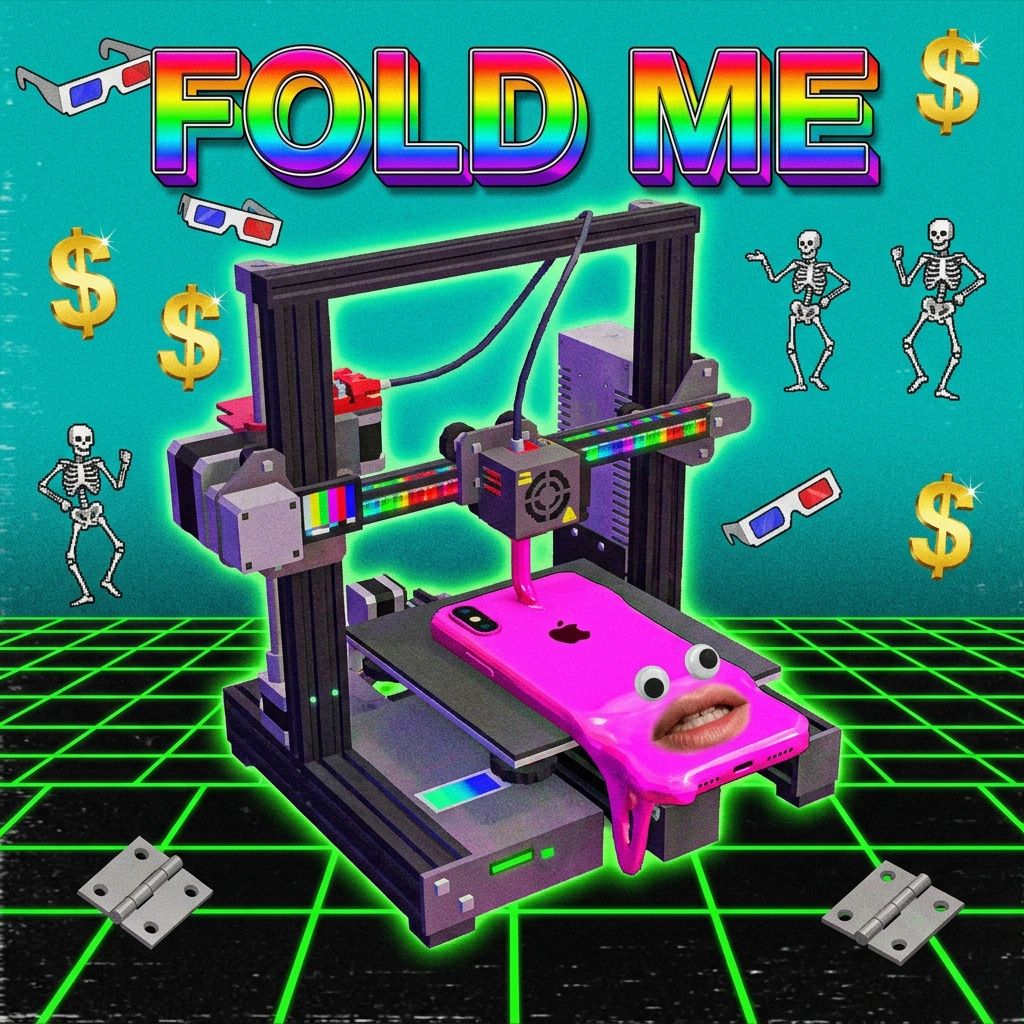
Rumor has it that the upcoming iPhone Fold is going to feature a 3D printed hinge. Yes, you heard that right. Apple, a company that usually treats its manufacturing processes like high-security nuclear secrets, is apparently taking a page out of your local librarys weekend workshop manual. The report out of China suggests this high-tech extrusion method is the secret sauce to minimizing the dreaded crease. Because, as we all know, nothing says luxury quite like the same technology people use to print low-resolution figurines of Shrek.
The goal here is precision. By 3D printing the hinge components, Apple can supposedly achieve tolerances that traditional machining just cant touch. Or maybe Tim Cook just found a really good deal on PLA filament at a liquidation sale. Either way, the tech community is buzzing with the idea that the iPhone Fold will be the smoothest, flattest, most foldable thing since a well-starched napkin. It is a bold move for a company that still hasn't figured out how to make a charging cable that doesnt disintegrate if you look at it too hard.
The Oppo Copy-Paste Job
If this tech sounds familiar, that is because it is already being used in the Oppo Find N6. Apple fans will call it innovation, everyone else will call it doing your homework five minutes before the bell rings and copying off the person sitting next to you. But Apple has a long history of taking existing technology, polishing it until you can see your own reflection in the price tag, and then claiming they invented the very concept of folding. I can already hear the keynote now: We have reimagined the hinge. We have disrupted the very concept of the axis. It is the most foldable fold we have ever folded.
The hinge is the soul of the foldable phone. If it fails, you are just left with a very expensive, very thick brick that smells like burnt electronics and shattered dreams. By adopting the 3D printed approach seen in the Oppo models, Apple is hedging its bets on a design that might actually survive more than three opening-and-closing cycles. It is about time. My current iPhone doesn't fold, but it does get confused if I try to use it while wearing gloves, so the bar for technical achievement is actually quite low.
The Crease of My Existential Dread
Why are we so obsessed with the crease? Is it because it represents the fundamental imperfection of our physical reality? Or is it just because it looks kind of annoying when you are trying to watch TikToks? The 3D printed hinge promises to make the screen as flat as a pancake, which is ironic because the phone will probably cost enough to buy several thousand pancakes. The engineering required to make glass act like paper is truly a marvel of the modern age, proving that we have officially run out of real problems to solve as a species.
Imagine the scene: You are at a party. You whip out your iPhone Fold. You unfold it with a flourish. The 3D printed hinge whispers a soft, robotic melody. The crowd gasps. The crease is gone. You are the king of the room. Then, someone asks what it does that a normal phone doesnt, and you realize the answer is nothing. But it folds! It folds like a treasure map to a place where money has no meaning and everyone has 3D printers in their basements making little plastic hinges for their pet hamsters. That is the future we were promised in the 90s, and by God, Apple is going to give it to us for three easy payments of your firstborn child.
Conclusion
In the end, whether the hinge is 3D printed, hand-carved from obsidian, or held together by the collective prayers of the Genius Bar, we know we will buy it. We will wait in line. We will fold it. We will unfold it. And we will weep when it inevitably snaps in half like a dry twig during a particularly aggressive session of Candy Crush. But hey, at least the crease will be invisible while it happens. Progress is a beautiful, expensive, 3D-printed lie, and I for one am ready to pay for the privilege of being lied to in high definition.