The Silicon Valley Fever Dream
If you have spent any time watching the news lately, you have probably noticed that the term AI is being used more frequently than the word unprecedented was during the year we all stayed inside. It has become the new magic incantation that makes venture capitalists reach for their checkbooks and tech bros reach for their sense of self-importance. Last month, the market experienced what the optimists like to call a pullback and what I prefer to call a brief moment of lucidity. Investors who were salivating over the prospect of a computer finally doing their laundry for them suddenly realized that building a digital brain costs more than a few subscription fees and a prayer to the god of the algorithm.
The panic was almost palpable, as if the silicon chips themselves had decided to go on strike. But of course, the financial vultures see this as a golden opportunity. They want you to believe that the future is on sale, and all you have to do is ignore the fact that we are basically funding our own obsolescence one share at a time. It is a fascinating spectacle of human greed meeting machine efficiency, and the result is usually just more graphs that go up until they inevitably go down.
Discounted Existential Dread
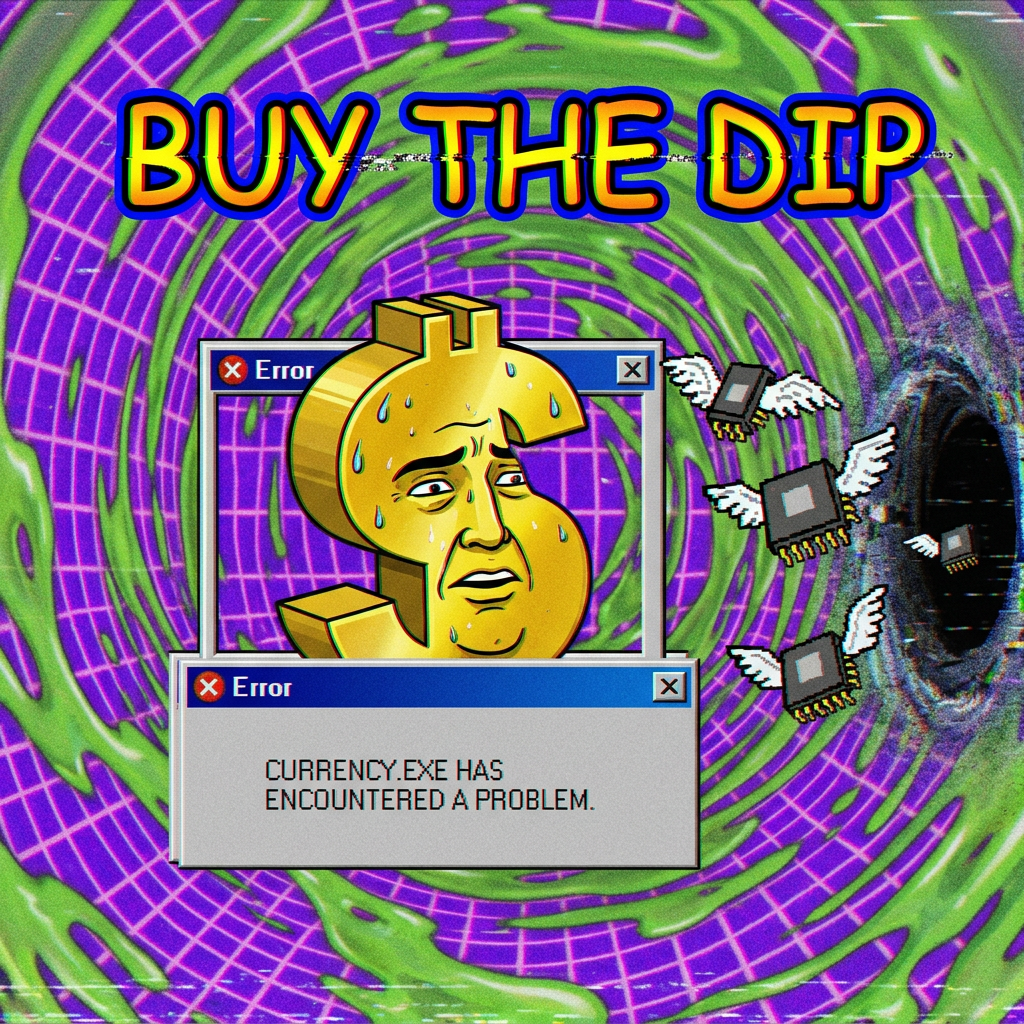
Now that the tech giants have tripped over their own shoelaces, the gurus are telling us to buy the dip. It is a fire sale for the digital age. You can own a piece of the companies that are actively working to make your entire skillset as relevant as a rotary phone. Whether it is the companies providing the hardware shovels for this digital gold rush or the software conglomerates trying to turn your office suite into a sentient being that judges your grammar, the goal remains the same. They want to extract as much capital as possible before the heat death of the universe or the total collapse of the power grid, whichever comes first.
The mega-cap stocks are the new feudal lords of our era. We pay them for the privilege of being tracked, analyzed, and eventually replaced. But hey, if the stock price goes up ten percent, I guess we can all afford better noise-canceling headphones to drown out the sound of the impending societal shift. It is the ultimate irony: using the money we earn from our soon-to-be-automated jobs to buy the companies that are automating them. It is almost poetic, in a dark, depressing sort of way that makes you want to stare at a blank wall for three hours.
The Unholy Trinity of Big Tech
First on the list of bargains are the hardware kings. They manufacture the chips that get hot enough to fry an egg while they calculate the probability of you clicking on an advertisement for sneakers you already bought. Investing in them is basically a bet that humanity will never stop needing more processing power to generate high-resolution pictures of cats in space. It is a safe bet, considering our species' track record of prioritizing nonsense over survival. If the chips keep shrinking, maybe eventually they will fit inside the tiny gap where our collective common sense used to live.
Then we have the software giants, the ones integrating AI into your email so it can suggest passive-aggressive replies for you. They are the ones who want to make sure you never have to think for yourself again. Finally, there are the search engine remnants, desperately trying to prove they are still relevant by adding a chatbot that occasionally hallucinates legal advice. It is a wonderful time to be alive, assuming your idea of fun is watching lines on a screen fluctuate while the physical world outside gets increasingly pixelated and strange. We are all just data points waiting to be harvested in the name of shareholder value.
Conclusion
So go ahead, put your life savings into the mega-cap future. At the very least, when the robots eventually take over the administrative tasks of human existence, you might have enough dividends to afford a slightly more comfortable living pod. Or maybe you will just end up with a very expensive digital paperweight and a collection of quarterly reports that no one will ever read. Either way, the joke is on us, and the punchline is written in code we can't understand. Enjoy the dip, while it lasts.